




Mosquito Books, Activities and Presentations - GLOBE Observer



Books, Videos and Presentations
Add mosquito-related videos and presentations to your program or host a mosquito-themed book club.

Beyond the Bite: Mosquito-Borne Disease Guide
This guide provides background information on the biology, pathology, and history of seven common mosquito-borne diseases: chikungunya, dengue, eastern equine encephalitis, malaria, West Nile virus, yellow fever, and Zika virus. This resource is also available in Spanish and Portuguese
Zika Zine: The Story of Three Aedes Mosquitoes and the Zika Within Them
The fictional mosquitoes in the Zika Zine do the same sorts of things as real <em>Aedes</em> mosquitoes, which carry Zika virus. Read the Zine, learn how <em>Aedes</em> mosquitoes live, and you’ll discover how to reduce the number of places where mosquitoes can survive. After you’ve read the Zika Zine, download the coloring pages, How to Draw Wanda in 9 Easy Steps and Make Your Own Zika Zine Comic to create your own mosquito pictures and stories.
Zika Zine webpage (including translations into Spanish, French, Portuguese, and more)
How to Draw Wanda in 9 Easy Steps (PDF)
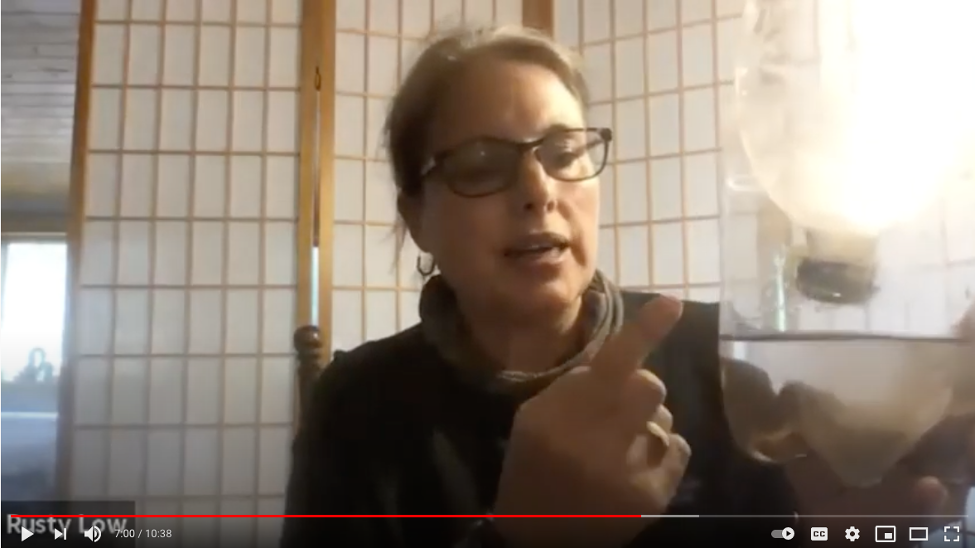
Build a Mosquito Larvae Trap Activity Demo
[10:38] In this video, Dr. Rusty Low shows you how to build a do-it-yourself mosquito trap using simple materials. The trap tricks mosquitoes into laying their eggs in a container that the larvae can’t escape. You can then report the larvae using the Mosquito Habitat Mapper tool in the GLOBE Observer app. You will also see examples of traps built by students, along with an explanation of how they are using the traps in their own investigations.
Fight Zika with NASA GLOBE Observer's Mosquito Habitat Mapper
[3:14] Promotional video for GLOBE Observer: Mosquito Habitat Mapper.
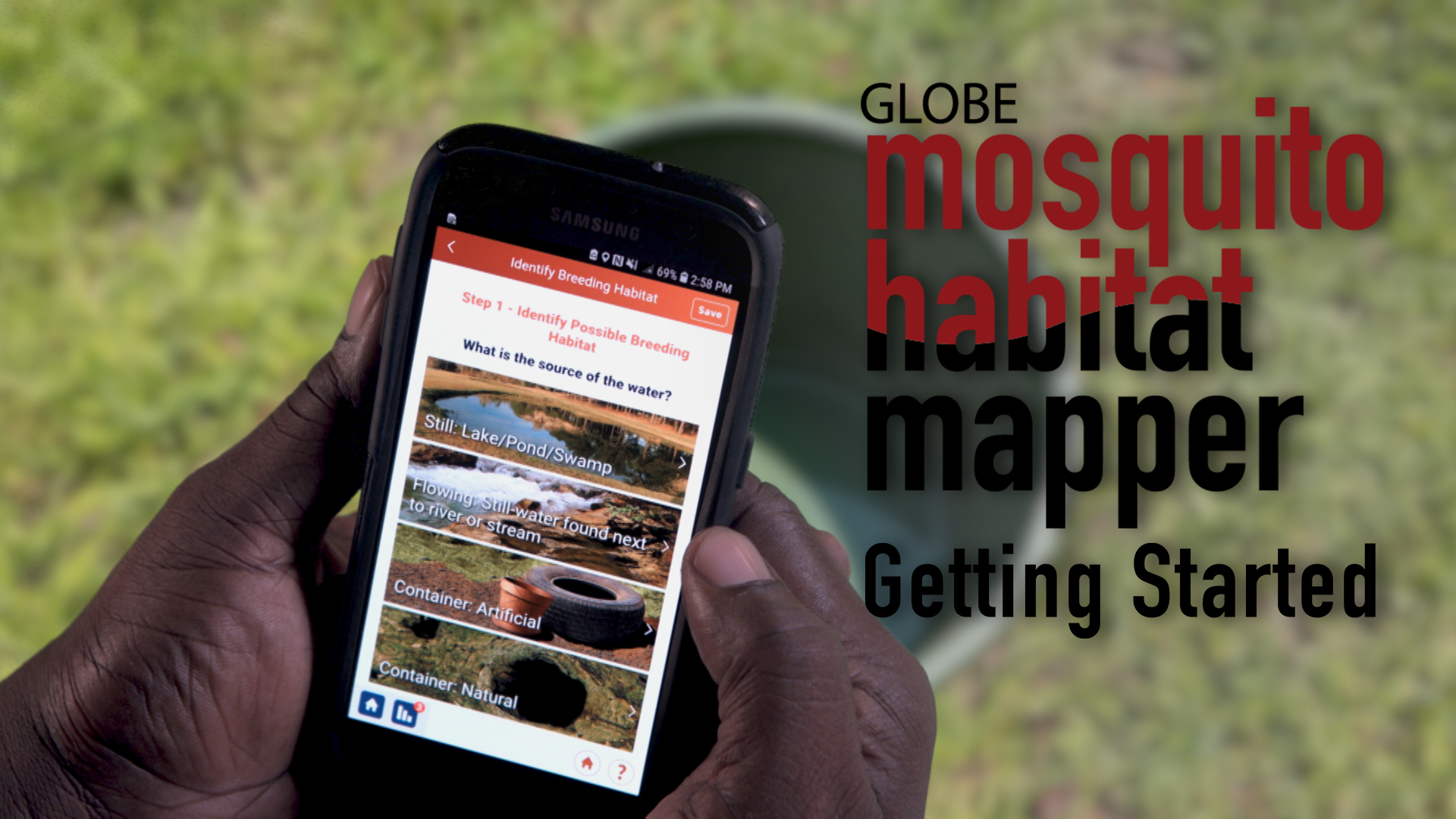
GLOBE Observer: Mosquito Habitat Mapper - Getting Started (Basic)
[2:15] Learn how to make a basic mosquito habitat observation using the GLOBE Observer app.
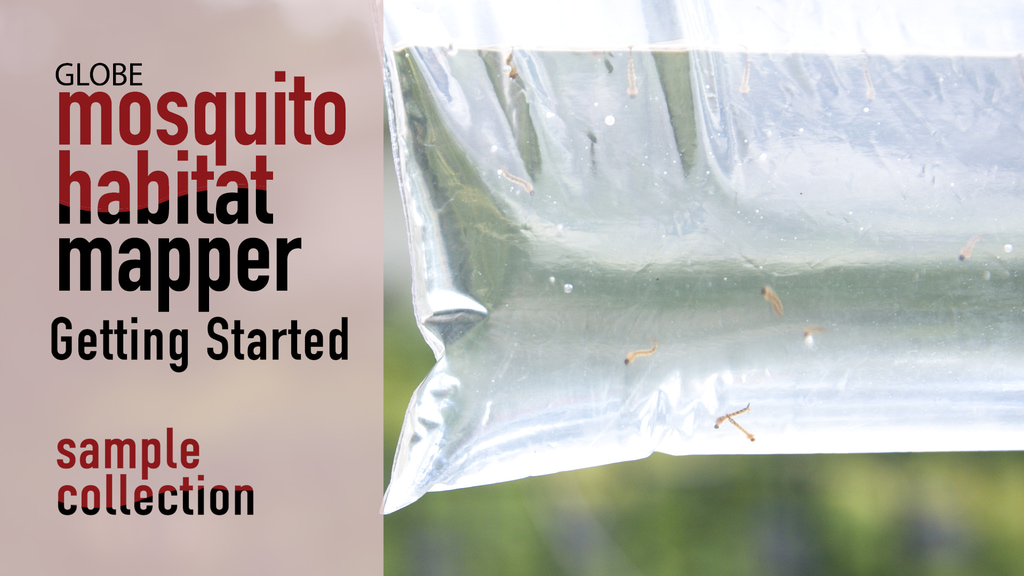
GLOBE Observer: Mosquito Habitat Mapper - Getting Started (Sample Collection)
[3:41] Learn how to take samples of mosquito larvae during a Mosquito Habitat Mapper Observation
GLOBE Mission Mosquito Webinars
A page with recordings of past webinars hosted by the GLOBE Mission Mosquito team on a variety of mosquito-related topics.
GLOBE Observer Mosquito Habitat Mapper Intro
[2:29] GLOBE Observer's Mosquito Habitat Mapper allows you to identify and document where mosquitoes are breeding. This video gives a brief overview of how it works.
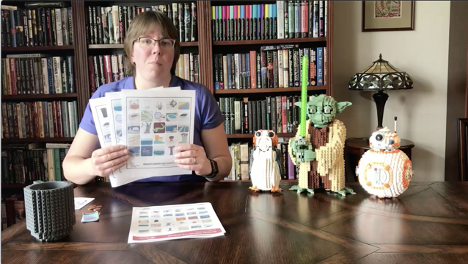
Mosquito Habitats and Hideouts Activity Demo
The Mosquito Habitats and Hideouts activity helps you gain familiarity with the variety of container mosquito habitats, hideouts, and life cycle stages using games. The video shows the three ways to play: Bingo, Name That Habitat, or Sketch That Habitat.
[6:53] South Dakota is the U.S. hotspot for West Nile disease. Scientists and public health officials there have developed a way to use environmental data from NASA satellites to forecast the risk of West Nile. They’re giving people working on preventing the disease an important new tool for protecting the population.
Predicting Malaria Outbreaks with NASA Satellites
[4:17] University researchers have turned to data from NASA’s fleet of Earth-observing satellites, which are able to track the types of human and environmental events that typically precede an outbreak. With funding from NASA’s Applied Sciences Program, they are working in partnership with the Peruvian government to develop a system that uses satellite and other data to help forecast outbreaks at the household level months in advance and prevent outbreaks.
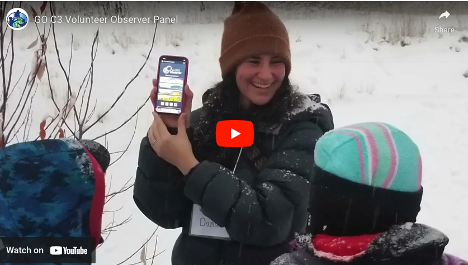
Volunteer Scientist Panel Video
[11:10] A video showcasing stories from GLOBE volunteers about how they got started with GLOBE and the GLOBE Observer app, and connections they have made to research and to using GLOBE in their communities. This was originally shown as part of the GLOBE Observer Connection-Conversation-Celebration (C3) event held on 26 July 2022.
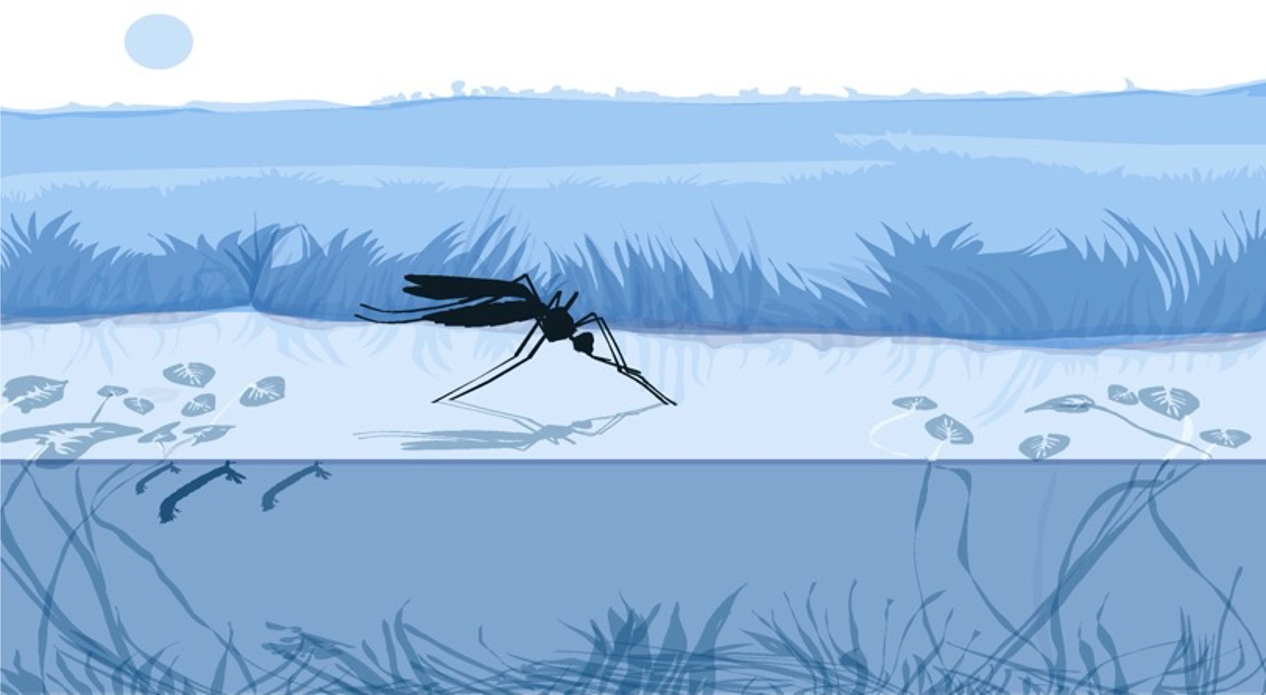
GLOBE Mission Mosquito Training
A series of eight presentations (downloadable as PowerPoint files) that were part of a GLOBE Master Trainer session held through the GLOBE Mission Mosquito campaign. They can be used as-is or adapted for the needs of facilitators.
Learn how to effectively use the clip-on microscope provided in your STEM@ Home kit (1 MB PDF)